
The Science Behind Longitudinal Learning
Rachel Duke discovers why lasting learning is measured in months, not moments, exploring the science and strategy behind longitudinal learning — and why time may be its greatest advantage.
If sustained learning could be achieved in a single afternoon, universities would last a day, apprenticeships would take a weekend, and leadership development could be neatly scheduled between lunch and dinner. The reality, however, is that meaningful development rarely happens all at once.
Whilst individual workshops and standalone courses remain valuable for introducing new concepts and building foundational awareness, they are only one part of a broader learning ecosystem. Intensive learning experiences can spark new ideas, but it is time — not speed — that plays the defining role in whether skill development is retained, applied, and ultimately transformed into lasting behaviour.
This understanding sits at the heart of the longitudinal learning framework: an approach that views development as an ongoing process rather than a single destination. Typically spanning anywhere from three months to a full calendar year, these pathways are designed to support gradual progression, reinforcing behavioural change and encouraging learners to apply new skills as they encounter real-world challenges.
The Science of Staying Power
One of the key scientific principles supporting this approach is the spacing effect, a well-established finding within cognitive psychology. Research has consistently demonstrated that distributing learning across multiple sessions leads to stronger long-term retention than concentrating the same amount of study into a short period. Studies suggest that spaced learning can improve retention by 10-30% compared with massed practice, even when the total learning time remains the same.
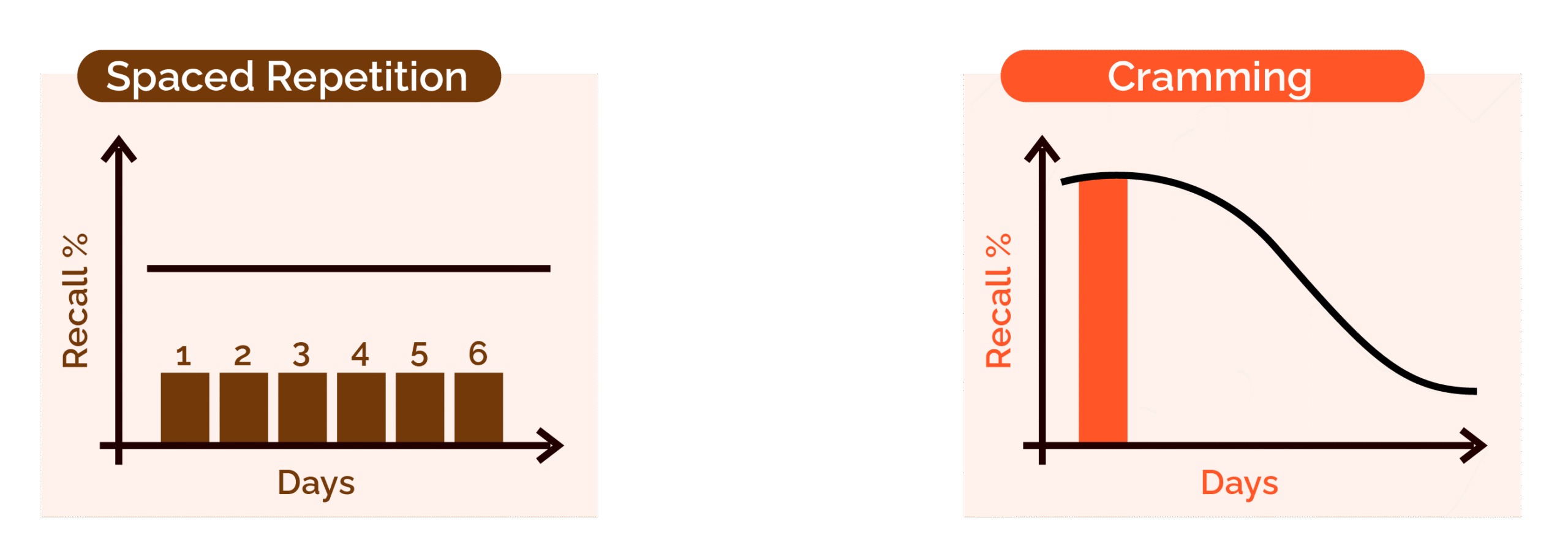
To translate this principle into effective professional development, longitudinal learning pathways are typically built around four interconnected pedagogical pillars.
Designing Learning That Lasts
The effectiveness of longitudinal learning lies not simply in extending the duration of a program, but in intentionally designing each stage to reinforce the one before it. Every element of the framework contributes to maintaining momentum, encouraging application and supporting behavioural change over time.
1. Integrated curation
Integrated curation provides the backbone of the journey. Rather than presenting learning as a series of independent events, content is sequenced so that each experience revisits and builds upon previous learning. As participants progress through the program and earlier concepts are continually reinforced, opportunities for professional growth rise.
2. The cohort imperative
The cohort imperative ensures that learning develops within a consistent community of peers. Remaining with the same cohort throughout the program allows relationships, trust, and shared understanding to grow over time. As participants encounter new workplace challenges, they are able to reflect collectively, exchange experiences, and hold one another accountable between formal learning sessions.
3. Multimodal touchpoints
Multimodal touchpoints maintain engagement across the duration of the program. Face-to-face workshops, virtual sessions, coaching conversations and self-directed activities are distributed throughout the learning journey, creating regular opportunities for reflection and practice. Rather than allowing learning to fade between interventions, these touchpoints keep things active and relevant until participants reach a final capstone or graduation.
4. Metamorphic goal
Finally, the metamorphic goal distinguishes longitudinal learning from programs that focus solely on completing individual courses. Each activity contributes towards a broader developmental objective, enabling participants to move beyond acquiring skills towards embedding new habits, behaviours, and ways of thinking. Transformation is viewed not as the outcome of a single learning experience, but as the cumulative effect of sustained engagement over time.
The Psychology of Progress
Beyond the practical benefits, there is also a powerful psychological dimension to learning over an extended period. Longitudinal programs create a genuine sense of journey, with participants able to clearly recognize both where they began and how far they have progressed. Rather than viewing learning as a single event to complete, they experience a series of milestones, challenges, and achievements that build confidence alongside capability. By the time participants reach the end of the program, the distinction between their starting point and their current practice is often tangible — making the transformation feel not only measurable, but personally meaningful.
Playing the Long Game
Longitudinal frameworks recognize that meaningful development unfolds over time, supported by intentional sequencing, collaborative learning, and repeated opportunities to apply skills. By combining evidence from cognitive science with carefully structured learning journeys, they create experiences that not only feel transformative to participants but are designed to produce lasting behavioural change. Ultimately, they provide a model for development that is designed not simply to inform, but to endure.
And there's plenty more where that came from... download Pursuing Pathways now!

Longitudinal learning treats development as an ongoing process rather than a single event. Learning is spread across a program, usually lasting three months to a year, so participants can build skills gradually and apply them to real workplace challenges as they go.
The spacing effect is a well-established finding in cognitive psychology. Spreading learning across several sessions leads to stronger long-term retention than cramming the same amount of study into a short period.
When learning happens as a one-off event, there are few chances to revisit it or put it into practice, so much of it fades. Spacing learning out and building in real-world application between sessions gives new skills a better chance to stick.
Yes. Individual workshops and standalone courses are valuable for introducing new concepts and building foundational awareness. They work best as one part of a broader learning ecosystem, with follow-up that helps people apply and retain what they learned.
Each stage is designed to reinforce the one before. Four pillars support this: content sequenced to build on earlier learning, a consistent peer cohort, regular face-to-face, virtual and coaching touchpoints, and a broader goal of lasting behavioural change.
You might also like

How Utah Quietly Became the L&D Capital of the World

Why Is Critical Thinking Becoming Increasingly Sought After Amongst Employees?

A Glance Into The Future Of AI: Our EdTech Developers
Where's The Office Buzz Gone? The Polychronic Pivot
How Does Techlash Impact Organizational Skills Strategies in 2026